
The Story Behind the Work
My understanding of leadership did not begin in a classroom.
It began in the British Army.
For fifteen years I served in an environment where leadership was not theoretical — it was immediate, practical, and often tested under pressure.
In that environment, you quickly learn that leadership is not simply about authority or position.
It is about stability.
The ability to think clearly under pressure.
To regulate emotion when situations become difficult.
To make decisions when certainty is impossible.
But perhaps most importantly, leadership requires a stable sense of identity.
Without that foundation, pressure quickly erodes confidence, clarity, and judgement.
Over time I began to notice that the strongest leaders were not always the most charismatic or the most technically skilled.
They were the most internally stable.
That observation would later become the foundation of my leadership research and writing.
MILITARY LEADERSHIP EXPERIENCE
Leadership in Practice
During my fifteen years of service in the British Army, I experienced leadership in its most practical form.
Leadership meant responsibility for people.
Responsibility for decisions.
Responsibility for outcomes that mattered.
It meant working within structured systems while navigating uncertainty, pressure, and complex human dynamics.
These experiences shaped my understanding of leadership in ways that no textbook ever could.
They also revealed something important.
Leadership breakdown rarely happens because people lack intelligence or ability.
More often, it happens because pressure destabilises identity.
When individuals lose their internal centre, decision-making becomes reactive rather than deliberate.
Understanding this pattern would later shape the development of my leadership framework.
WHY THE WORK MATTERS
Leadership and Identity
Many leadership models focus primarily on external behaviour.
Communication strategies.
Team dynamics.
Management systems.
These are valuable.
But they often overlook the deeper question:
What stabilises a leader internally when pressure increases?
In reality, leadership challenges often emerge during moments of transition:
career progression
organisational change
increased responsibility
identity shifts
When these moments occur, individuals must renegotiate how they see themselves and how they lead.
Without internal stability, leadership becomes inconsistent.
My work focuses on rebuilding that stability.
Because when identity is clear and regulated, leadership behaviour becomes far more effective.
THE AURIS FRAMEWORK
The AURIS Leadership Framework
The AURIS Framework was developed to address a gap in traditional leadership models.
Rather than beginning with strategy or performance metrics, it begins with identity stability.
The framework is built around five behavioural foundations:
Awareness — recognising internal patterns and pressures.
Understanding — interpreting how experience and identity influence leadership behaviour.
Regulation — developing emotional and behavioural discipline.
Integration — aligning identity, responsibility, and leadership behaviour.
Stability — sustaining consistent leadership under pressure.
The framework now underpins my writing, coaching programmes, and ongoing leadership research.
WRITING & RESEARCH
Writing and Research
Alongside my professional work, writing has become an important part of how I explore leadership.
My books and essays examine leadership through both personal experience and behavioural insight.
Current writing projects explore themes including:
leadership identity
responsibility and decision-making
women in military leadership environments
identity and transition
My long-term goal is to contribute meaningful research and practical frameworks that help individuals navigate leadership challenges with greater clarity and stability
PERSONAL GROUNDING
Life Beyond Leadership Theory
While much of my work focuses on leadership and behavioural development, the foundations of that work remain deeply personal.
Family, community, and grounded daily routines are central to maintaining the stability that leadership demands.
Living in Cumbria, surrounded by open landscapes and a slower rhythm of life, provides space for reflection and clarity.
Horses have also played an important role in that grounding.
Working with animals requires calm presence, patience, and awareness — qualities that mirror many of the same behavioural principles found in effective leadership.
These quieter spaces provide balance to the demands of leadership thinking and writing.
MEDIA & SPEAKING
Media & Speaking
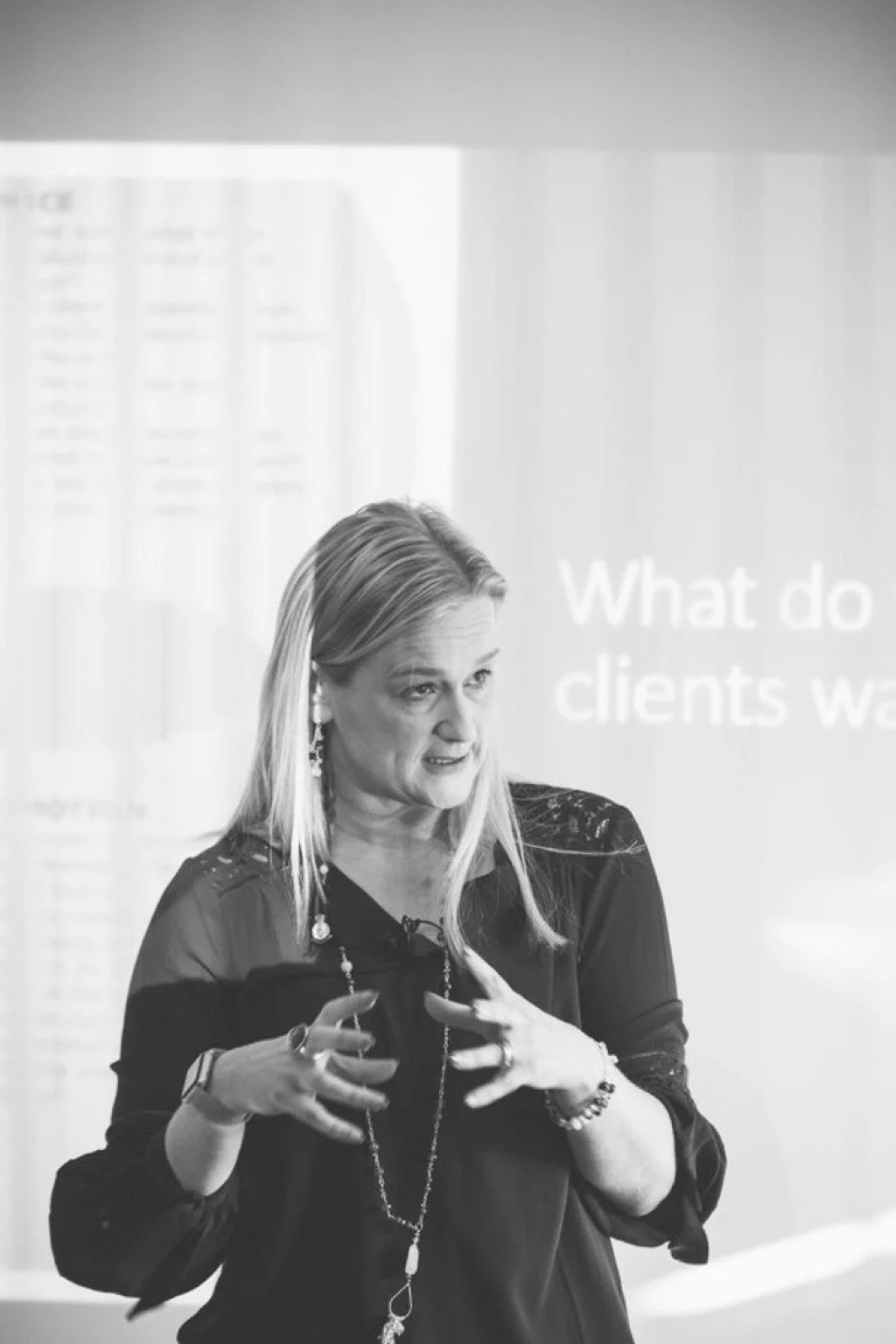
Gemma Gardner speaks on leadership identity, behavioural regulation under pressure, and the challenges of navigating leadership transitions.
Her work bridges the gap between leadership theory and the realities of leadership in demanding environments.
Speaking topics include:
Leadership stability under pressure
Identity and responsibility in leadership roles
Transition into leadership positions
Behavioural discipline in decision-making
Media & Speaking
WORK WITH ME
Work With Me
In addition to writing and research, Gemma works with individuals and organisations seeking to develop stable, identity-led leadership.
Programmes include coaching, leadership workshops, and research-based development initiatives.
Free Leadership Course
Leadership Coaching
Workshops